
A fast website means a happy user. How to optimize loading speed and retain customers?
Every second of delay is a lost user. Learn how speed affects conversion.
Why It Matters
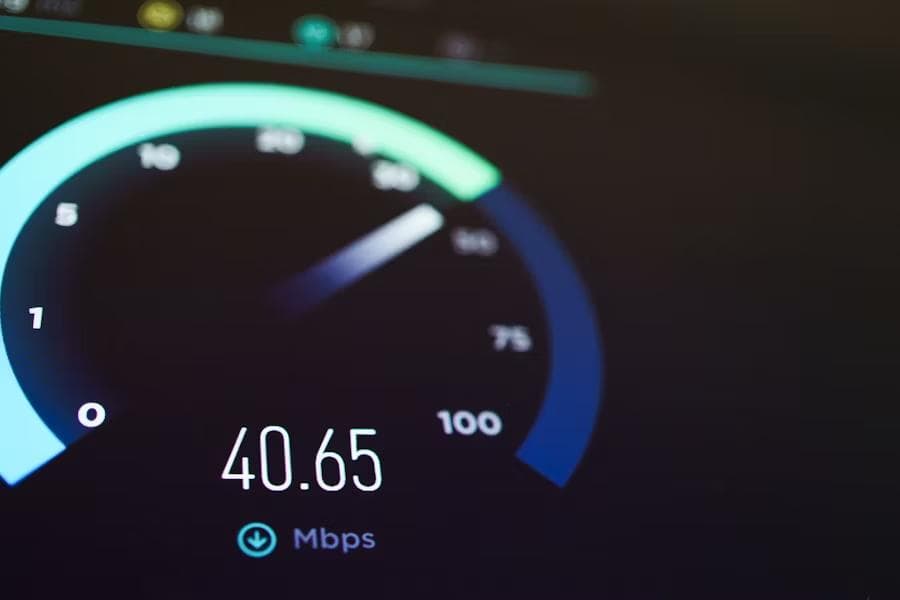
In today's digital world, users expect instant access to information. If a website loads slowly — more than 3 seconds — most visitors simply leave without waiting. This leads to loss of potential customers, decreased sales, and damaged reputation. A slow site also negatively impacts Google rankings, as search engines consider speed a ranking factor. Thus, unoptimized speed is not just a technical issue, but a real barrier to business growth.
What Affects Speed
Many factors influence website loading speed, which must be considered during development. One of the most important is image optimization: large or uncompressed files significantly slow down the site. Next is code quality: excessive scripts, third-party libraries, and outdated technologies add extra load. Additionally, speed directly depends on hosting — budget or overloaded servers cannot process requests promptly. Professional technical optimization improves all these aspects, ensuring stable and fast site performance.
A fast website means comfort for the client and reflects the professionalism of the company.
— SEEIT Team